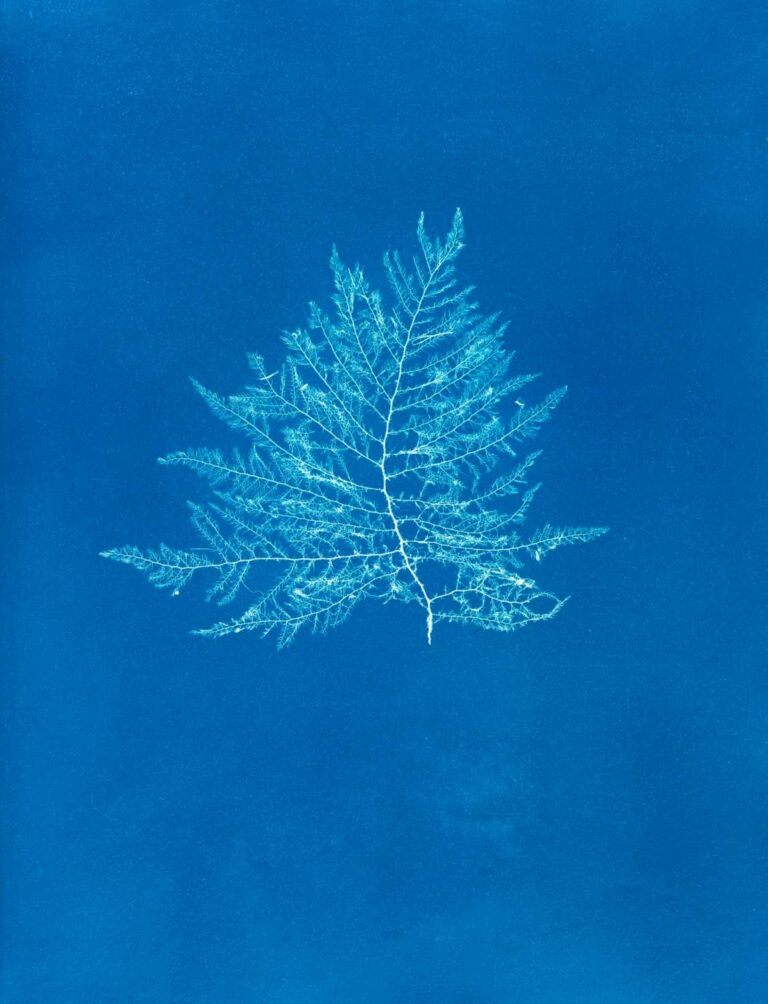
GUM BICHROMATE PRINT

About The Process

GUM BICHROMATE

The process that let photographers paint — one pigmented layer at a time.

The light sensitivity of dichromate salts was first noticed by Mungo Ponton in 1839, but it was the French chemist Alphonse Poitevin who, around 1855, combined potassium dichromate with gum arabic and pigment into a workable printing process. For decades afterward it remained a minor technical curiosity beside the sharper, faster silver-based processes of the day.


That changed in the 1890s and 1900s, when Pictorialist photographers — who argued that photography deserved to be judged as a fine art rather than dismissed as mechanical reproduction — embraced gum bichromate precisely because it resisted mechanical precision. The Paris-based Robert Demachy became its best-known and most vocal champion, using the process’s built-in room for hand manipulation to blur, soften, and rework his prints until they looked closer to a charcoal drawing or lithograph than to a conventional photograph.


Gum printing lets the printer choose any pigment and build an image across several registered coats, adjusting the tonal balance with each pass — a degree of hands-on control that later, sharper-edged movements in photography would come to see as the whole problem with Pictorialism, and that alternative-process printers today return to for exactly that reason.

How IT WORKS

1.        Mix a chosen watercolor or gouache pigment into a gum arabic solution, then sensitize the mixture with a dichromate salt shortly before use — the coating only stays usable for a limited window once combined.

2.        Coat the pigmented, sensitized gum onto paper, often watercolor stock, and let it dry fully away from strong light.

3.        Contact-print it under a same-size photographic negative in strong ultraviolet light. Exposed dichromate hardens, or "tans," the gum in proportion to the light it receives, while shielded areas stay soluble.

4.        Develop by soaking the print in water, sometimes helped along with a soft brush or gentle running water, so the unhardened gum and pigment lift away while the hardened image stays behind — development that can be nudged by hand, which is exactly what drew the Pictorialists to it.

5.        Once dry, the same sheet can be recoated with a fresh pigment layer, registered precisely over the first, and exposed and developed again — building color depth, extending tonal range, or combining pigments in ways no single coat could achieve alone.

About the Process

Experience the rich history of photography. Learn and create with alternative techniques that stand out.

Character

Soft, painterly texture with visible pigment rather than photographic dye or metal. Tonal range and color are entirely up to the printer's choices, and prints built from several coats can take on real depth — no two prints, or printers, look quite alike.

HANDLING

Dichromate salts are toxic and classified as carcinogenic with repeated exposure. Gloves, good ventilation, and care in mixing and disposal matter more here than the gentle finished print would suggest.

LEGACY

Kept alive today by a smaller, dedicated fine-art printmaking community, often layered with other processes (gum over platinum, gum over cyanotype) for a color and tonal range no single process gives on its own. It remains a fixture of university and studio alt-process teaching, valued for exactly the hand-worked quality that drew the Pictorialists to it in the first place.

Start Your Photographic Journey

Unlock your creativity by experiencing photography in a different light. Learn about historical processes and create stunning photographs.

Scroll to Top