Explore Timeless Photography Techniques
Enjoy the world of historical photographic processes. Discover the beauty of creating images with techniques like wet plate collodion, cyanotypes and more.
Welcome
Discover the Art of Historical Processes
At Afbri - Historical Photographic Processes - we specialize in reviving the beauty and authenticity of vintage photographic techniques. Our commitment lies in creating stunning images using historical methods like wet plate collodion, cyanotypes, anthotypes daguerreotypes and gum bichromate. With a deep appreciation for these alternative processes, we aim to share the rich heritage of photography with enthusiasts and newcomers alike. Our research caters to anyone eager to learn and experiment with these timeless techniques.
Founded by Stephen Epstein, a graduate of the Ontario College of Art and a passionate photographer and researcher of historical processes. Stephen began his journey with a shared curiosity about the origins of photography. Over the years, he has transformed the subject of his college specialty into a passion and is dedicated to preserving and celebrating historical processes. His evolution reflects a deepening commitment to education and artistry.
01
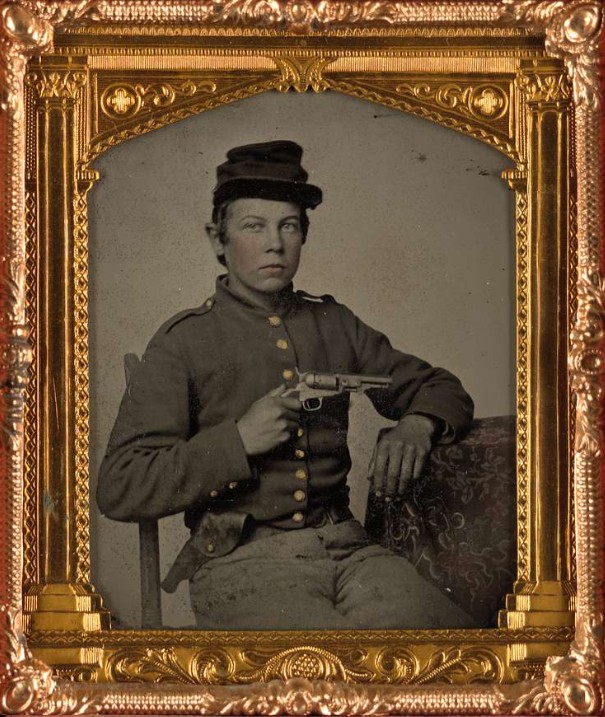
Wet Plate Collodion
Stephen is currently exploring the art of wet plate collodion photography, where images are captured on glass plates. This immersive process allows for stunning detail and rich tones, creating a timeless quality in every photograph. Join Stephen and share in learning the techniques and history behind this fascinating method.
02
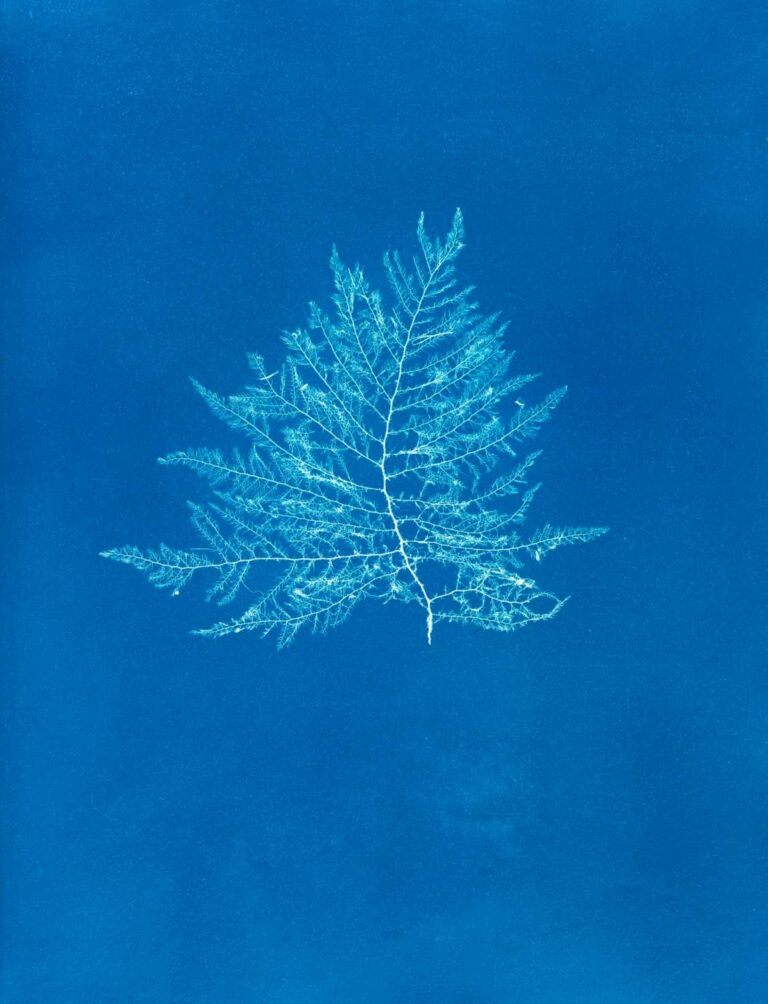
Cyanotype Printing
Delve into the mesmerizing world of cyanotypes, where images are created using light-sensitive paper and blue iron salts. This process produces beautiful blue-toned prints that are both striking and unique. collaborate with Stephen on creating art and experiencing this amazing historical photographic process. Learn to create your own cyanotypes from start to finish.
03
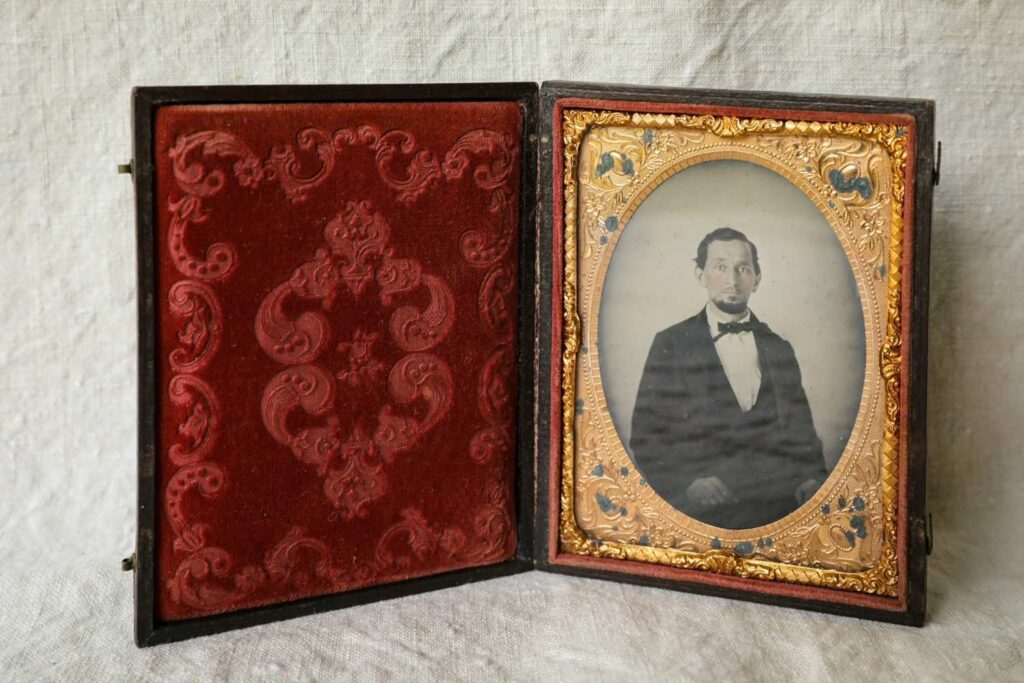
Daguerreotype
The daguerreotype was introduced to the world in 1839 and instantly became a hit. Practitioners of this technique made their way to Palestine soon after it was introduced. Because of the danger involved in working with hazardous mercury vapor, we are waiting until we can build the necessary equipment to contain the vapors. Stay tuned!
Start Your Photographic Journey
Unlock your creativity by collaborating with us today. Learn about historical processes and create stunning photographs.